Habitat restoration along the Jordan River involves actively improving the ecological health and function of the river corridor, and our volunteer projects are essential to this effort. By removing invasive species and planting native vegetation, volunteers directly contribute to re-establishing healthy riparian ecosystems that provide food and shelter for native wildlife, improve water quality, and recreational access as well as enhancing the overall resilience and biodiversity of the Jordan River Parkway.
Invasive Species Removal
Invasive species are undesirable & noxious plants that use valuable resources and can out compete beneficial species causing problems all along the corridor for trail users, wildlife, and the health of the river. We focus on puncturevine and thistle, tamarisk and phragmites. Volunteers are a valuable and efficient way to combat some of the invasive weeds on the Jordan River Parkway.
Depending on the time of year, volunteers can contribute to stewardship by removing invasive plants, and then reseeding areas with our native seed mix to aid in habitat restoration.
Restoration Planting
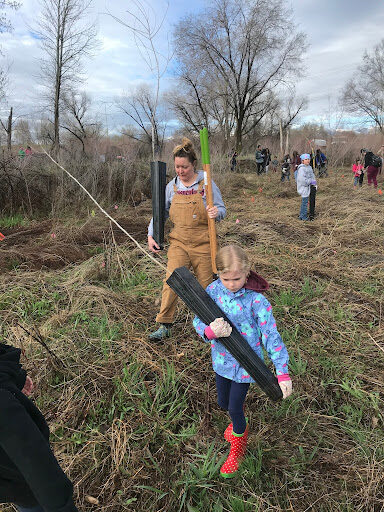
We also offer planting events ranging from pollinator friendly plugs to tall pot trees. These typically take place in the early spring and fall. We try to plant a diverse array of native plants that thrive in the Jordan River ecosystems and benefit local wildlife. Check out our volunteer event calendar (link) to find planting events open to the public, or fill out our group volunteer form (link) to explore scheduling an event for your group.
Current Volunteer Opportunities